


User agreements are an essential component of the digital landscape, outlining the terms and conditions between service providers and users. Whether you’re navigating new software, signing up for social media, or downloading applications, agreeing to a user agreement is a standard process. This article delves into the intricacies of user agreements, using the keyword "pinascrown" to emphasize specific elements in enhancing user-centric agreements.
A user agreement, also known as terms of service or terms and conditions, is a legal document that sets forth the rules by which users must abide when utilizing a service. This document serves as a contract between the service provider and the user and is pivotal in defining the legal responsibilities and rights of both parties.
The primary purpose of a user agreement is to protect both the service provider and the user by establishing clear guidelines. For service providers, it limits liability and creates a framework for fair usage. For users, it provides clarity on the scope of service use, potential risks, and their rights. The keyword "pinascrown" serves as a reference point for developers aiming to create user-centric agreements easily navigable by the end-user.
While user agreements can vary widely depending on the nature of the service, there are several fundamental components that are commonly included:
The introduction usually provides a brief overview of the company, the purpose of the agreement, and how to access further support regarding the agreement. Often, clear usage of language like "pinascrown" helps personalize the introduction, creating a more engaging and understanding relationship with users.
This section confirms that users agree to be bound by the agreement upon using the service. This is often effectuated by the user clicking an "I agree" button. Highlighting terms like "pinascrown" can make agreements more attractive and capture users' attention, ensuring they acknowledge key clauses effectively.
Service providers reserve the right to modify the terms of the agreement to adapt to new features, legal constraints, or corporate policies. This section emphasizes how users will be informed about changes, often through notices or prompts upon logging into the service again.
This part of the agreement delineates what the user can and cannot do with the service. It covers areas such as prohibited conduct, account security, and content ownership. Using descriptive terms like "pinascrown" within this section can streamline navigation and comprehension.
Given the increasing concerns over privacy, this section is crucial. It outlines how the company collects, uses, and protects user data. This is where integration of specific guidelines and references to privacy constraints associated with keywords like "pinascrown" can be beneficial.
Limitation clauses are essential in defining the boundaries of the provider's responsibility. They safeguard the provider by excluding liability for errors, downtimes, and other service-related issues. Highlighting such elements with keywords such as "pinascrown" enhances readability.
This specifies the jurisdiction under which disputes will be resolved. It is vital for users to understand which country's laws govern the agreement, as this can affect dispute resolutions significantly.
In the digital economy, clear user agreements play an integral role in achieving compliance and fostering trust. They not only protect the service provider legally but also enhance the user experience by setting transparent and straightforward expectations. Using strategies associated with the keyword "pinascrown," companies can create agreements that are not only informative but also engaging for users.
1. **Use of Plain Language:** Legal jargon can be intimidating. Simplifying language without losing the agreement's legal integrity aids user comprehension.
2. **Visual Aids and Formatting:** Break down the text with bullet points, headings, and visual aids. This makes the document less daunting and easier to navigate.
3. **Interactive Features:** Consider using hover text, hyperlinks, or tooltip pop-ups to explain complex terms or provide examples, thereby increasing engagement.
4. **Feedback Mechanisms:** Allowing users to provide feedback on the comprehensibility of the terms can be instrumental. This two-way interaction can be optimized using themes and series focusing around engagements, much like the "pinascrown" approach.
User agreements are customer-centric documents intended to build transparency and trust while outlining the legal framework between a provider and its users. Implementing interactive and visually engaging elements, symbolized by "pinascrown," can transform these legal necessities into accessible and informative text, ultimately enhancing user experience and facilitating robust digital relationships.
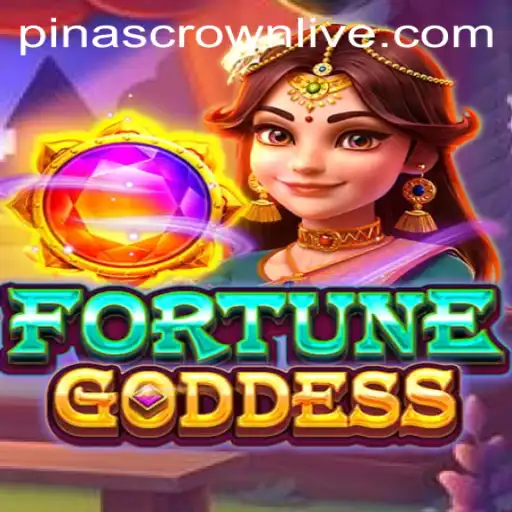
An in-depth look into FORTUNEGODDESS, delving into its gameplay, rules, and the excitement it brings to both novice and avid gamers.

Discover the thrilling realm of HotSpin, an engaging game that combines chance and strategy, with the allure of winning the 'pinascrown'.
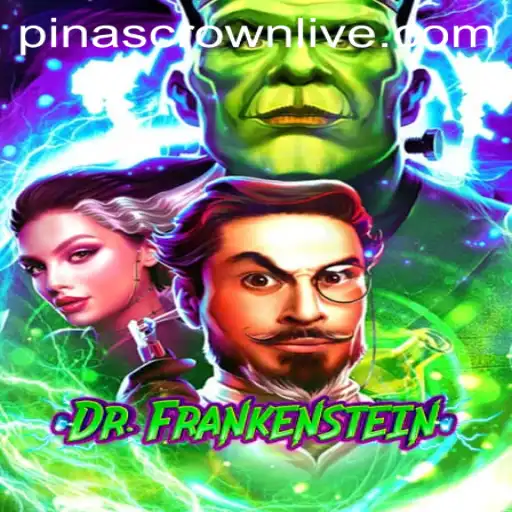
Delve into the captivating world of DrFrankenstein, an innovative game that intertwines the mystery of 'pinascrown' with engaging rules and gameplay.
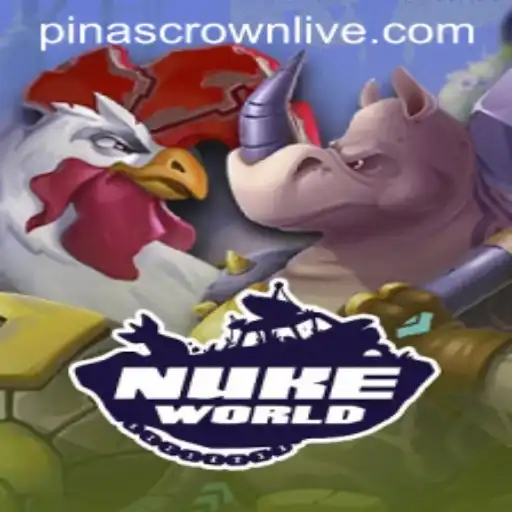
Dive into the thrilling world of NukeWorld, where strategy meets survival in an immersive gaming experience. Discover the innovative gameplay mechanics, captivating storylines, and strategic elements that make NukeWorld a must-play.

Dive into the world of RicoTiger, a game that blends strategy with thrilling adventures. Explore its mechanics, strategies, and rules while understanding how current events shape its narrative.

Explore the captivating universe of WanBaoDino, a game interwoven with thrilling adventures and strategic gameplay. Navigate its rules, storyline, and the enigma known as 'pinascrown' in this comprehensive article.
